Best Apple Watch Workout Band Setup in 2026: Sweat Comfort, Secure Fit, and Case Pairing
Apple Watch users in 2026 are buying bands differently. Instead of collecting random styles, people are choosing one dependable workout setup that stays comfortable under sweat, does not slide during training, and still looks clean enough for daily wear. That shift makes sense. A bad strap ruins tracking accuracy, irritates skin, and constantly distracts you mid-session.
This guide focuses on a practical setup you can actually wear every day: secure case-and-band compatibility, breathable material choices, and fit checks that prevent wrist fatigue. If your current band feels sticky, loose, or heavy, this is the reset.

Free stock image source: Wikimedia Commons – Apple Watch
Suggested alt text: Apple Watch worn on wrist, illustrating band fit and daily comfort.
Quick answer: best 2026 workout band formula
- Use a breathable strap for training days and avoid overly rigid materials in high sweat sessions.
- Match case size correctly before buying bands.
- Use one protective case-and-band combo for gym/outdoor use, and one cleaner option for daily wear.
- Check fit at rest and during movement to avoid false heart-rate reads.
- Rotate and clean bands weekly to reduce skin irritation.
What is trending in 2026 Apple Watch bands
Across current watch-roundup coverage in 2026, comfort-first and flexible-fit straps are leading. Workout users want three things: less trapped moisture, quick adjustability, and secure locking under motion. Premium-looking options still sell, but buyers now expect practical performance, not only style.
If you need the baseline compatibility rules first, start with our Apple Watch case and band compatibility guide, then use this article for activity-specific setup.
Step 1: lock your size and compatibility first
Most return headaches come from size mismatch, not quality defects. Before style decisions, confirm your watch size and intended case profile.
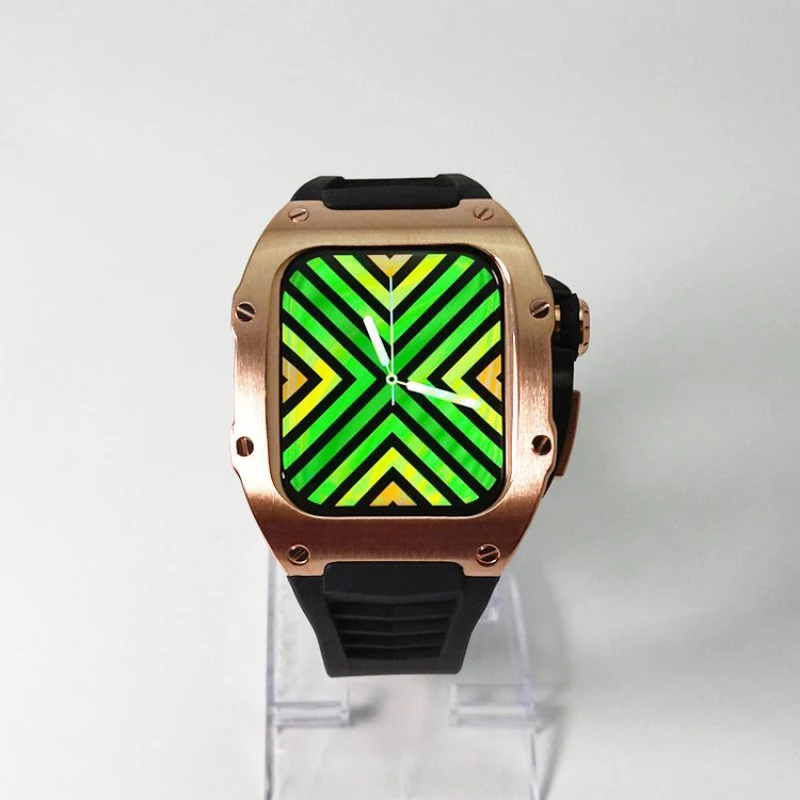
- Luxury Metal watch case fluororubber strap for Apple Watch is a strong pick when you want a sturdier frame and sport-friendly strap feel.
- Transparent Apple Watch Ultra case with silicone strap is useful for users who want protection plus lighter visual style.
- Retro Flower Elastic Nylon Watch Band with Case can work for softer all-day pressure distribution.
When in doubt, choose fit precision over appearance. A perfect-looking band that shifts during intervals is still the wrong band.
Step 2: choose material by workout type
For cardio and high sweat
Use breathable, fast-drying straps. Fluororubber and sport-grade silicone are usually easier to clean and less likely to stay damp.
For strength training
You can use slightly firmer straps as long as wrist flexion is not restricted. Test during grip-heavy sets, not only while standing still.
For all-day office + evening training
A hybrid approach works best: one durable case/strap combo for sessions, one cleaner daily option after shower. This protects longevity and keeps comfort consistent.
Step 3: fit correctly so your sensors stay accurate
Loose straps can cause patchy HR readings, while overly tight straps cause discomfort and skin marks. Use this quick fit process:
- Tighten until the watch does not slide when you shake your wrist.
- Loosen one notch for non-training use.
- For workouts, re-tighten slightly so the sensor remains stable.
- After training, dry wrist and strap before re-wear.
If your watch frequently prompts for repositioning, the issue is usually fit or moisture, not the watch itself.
Case pairing rules that improve comfort
Protective cases can improve durability but they change strap feel and wrist bulk. For workouts, avoid oversized case edges that press into the wrist when bending your hand.
Balanced pairings on GoShopr right now:
- Metal case + fluororubber strap for a premium-sport blend.
- Transparent Ultra case + silicone strap for lighter visual weight.
- Retro flower elastic nylon band with case for softer daylong wear.
- Smart Watch with 2.02-inch HD display as an alternative smart-watch route.
Common mistakes that cause discomfort
- Wearing one band every day without cleaning.
- Using decorative straps in heavy sweat sessions.
- Ignoring case thickness and then over-tightening to compensate.
- Keeping the same notch all day regardless of activity.
- Skipping strap replacement after material wear appears.
Maintenance routine that extends band life
- Wipe down after each workout.
- Do a weekly deeper clean with mild soap and soft cloth.
- Air dry fully before charging overnight.
- Rotate between at least two straps if you train frequently.
- Inspect lugs and connectors monthly for looseness.
Where to shop your setup on GoShopr
Start from the shop or browse the watches category. For related desk-and-device setup content, keep these reads open:
FAQ
1) What is the most comfortable band material for workouts?
Sport silicone and fluororubber are usually top choices because they are flexible, washable, and moisture-friendly.
2) Should I keep one notch all day?
No. Slightly tighter for workouts, slightly looser for regular wear is usually more comfortable and more accurate.
3) Do I need a case for exercise?
Not always, but a well-fitted case can protect edges during gym use. Just avoid bulky designs that reduce wrist mobility.
4) Why does my skin itch under the band?
Usually trapped moisture or residue. Clean and dry the strap consistently and rotate bands.
5) Can I wear a metal band for training?
You can, but many users find sport materials more stable and comfortable for sweat-heavy workouts.
6) How often should I replace a workout band?
When elasticity drops, connectors loosen, or the surface stays tacky after cleaning, replacement is usually due.
The best 2026 Apple Watch setup is not the flashiest. It is the one that stays secure, breathes during effort, and disappears on your wrist so you can focus on training.