
Flashlight Buying Guide 2026: Choosing the Right Lumens, Beam Pattern, and Power Setup for Real Use
Flashlights are trending again in 2026, but buyers are more informed than ever. Most people no longer ask for “the brightest light.” They ask better questions: How far does the beam stay useful? How long does runtime hold at practical brightness? Is rechargeable better than battery-swappable for my situation?
Recent buying-guide coverage across EDC and outdoor communities keeps highlighting the same priorities: balanced output, reliable runtime, and build quality that survives regular handling. If you are buying from a mixed-use catalog, the right choice comes from use case first, not max-lumen marketing alone.
- Use lumen numbers as a starting point, not the final decision.
- Match beam profile to task: flood for close work, throw for distance scanning.
- Choose power strategy based on recharge access and emergency backup needs.
- Plan grip, switch style, and carry method before you buy.

What matters most in 2026 flashlight shopping
1) Sustained brightness, not turbo burst
Many lights advertise high peak lumens, but practical use depends on how long they can hold usable output without aggressive step-down. For long walks, inspection tasks, or outage prep, consistent medium-high output often beats short turbo spikes.
2) Beam pattern tied to environment
Wide flood beams are better indoors, around campsites, and in vehicle checks. Tighter throw beams help when scanning distance or identifying objects farther out.
3) Charging flexibility
Rechargeables are convenient for daily carry, but dual-power behavior or replaceable options can be safer for emergency kits when grid access is uncertain.
Product-fit examples from this catalog
High-output mixed-use option
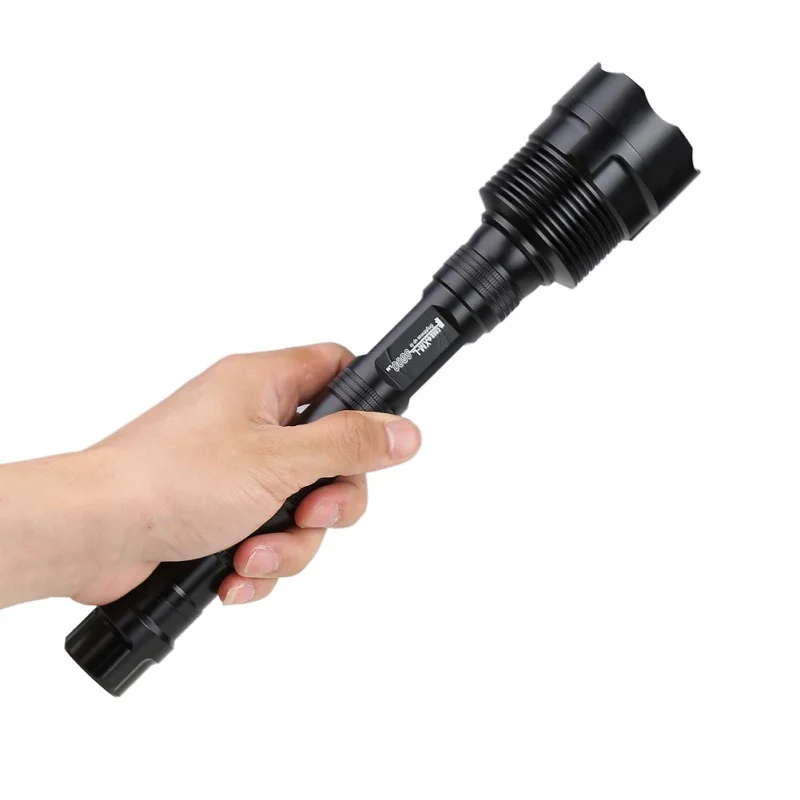
Anjoet 6000LM Tactical Flashlight fits users who want strong output and bundled accessories for specific setups.
Distance-oriented tactical profile
TrustFire J18 8000LM is a candidate for users prioritizing stronger reach and multi-mode control in outdoor environments.
Balanced everyday high-brightness
TrustFire TR-3T6 3800 Lumens can suit users who want meaningful output with simpler operation for regular carry.

How to choose by scenario
Home backup and power cuts
Prioritize runtime on medium mode, easy switch logic, and a beam that illuminates rooms without harsh tunnel vision. Keep one light at home entry and one near sleeping areas.
Vehicle emergency kit
Look for sturdy housing, glove-friendly switching, and charging compatibility with your existing cables. Pair with a compact power bank routine.
Outdoor and field use
You need weather resistance, secure grip, and mode memory that does not surprise you under stress. Test with gloves and in wet conditions before relying on it.
Lumens vs beam distance: quick reality check
Two flashlights with similar lumen ratings can feel completely different. Reflector design and optic geometry influence whether light spreads wide or pushes forward. If your main use is close-range tasks, a smoother wide beam is often more useful than high peak distance.
Battery and charging strategy in 2026
Current trend advice emphasizes battery care and charging discipline over raw spec chasing:
- Top up before long outings; avoid deep-discharge habits when possible.
- Let hot lights cool before charging cycles.
- Store backup cells safely and label rotation dates.
- If you use one primary light daily, keep a second backup model in your bag or car.
Common mistakes to avoid
- Buying purely by max-lumen headline without checking runtime tables.
- Ignoring carry comfort and switch placement.
- Choosing a beam profile that does not match your real environment.
- Skipping routine checks on charging cables and battery condition.
Accessory pairing ideas from related products
For outdoor packs, users often combine lighting with compact field gear. If your use includes trail footage or campsite setup, a combo with the KBDFA P1 RC Drone can support wider visibility and capture. For emergency communication and quick notifications, adding a durable wearable like the Outdoor Bluetooth SmartWatch can be practical.

FAQ
Is higher lumen always better?
No. Beam quality, heat control, and runtime consistency matter just as much as headline lumen numbers.
Should I pick rechargeable or replaceable batteries?
Rechargeable is usually better for daily use. Replaceable or dual options are valuable for outage backup kits.
What beam type is best for home use?
A wider flood beam is generally more comfortable indoors and for close-range tasks.
How often should I test an emergency flashlight?
Do a quick monthly function check and a full runtime test every few months.
Can one flashlight handle all use cases?
Sometimes, but many users benefit from a two-light setup: one compact daily light and one stronger distance-focused option.
Final recommendation
In 2026, the best flashlight purchase is the one that matches your routine: realistic brightness, dependable runtime, and power flexibility you can maintain. Start with your use case, then compare options in the shop collection and review related practical guides like our recent setup checklist for outdoor gear workflows.

One thought on “Flashlight Buying Guide 2026: Choosing the Right Lumens, Beam Pattern, and Power Setup for Real Use”