Portable Electric Kettle Buying Guide 2026: Temperature Control, Safety, and Travel Setup
Portable electric kettles are trending in 2026 for one simple reason: people want clean hot water anywhere without waiting for shared hotel appliances or bulky kitchen gear. If you commute, travel often, or just want a compact kettle for a desk corner, buying the right model is less about brand hype and more about wattage, temperature control, safety locks, and easy cleaning.
This guide walks you through exactly what to compare before you buy, which mistakes cost people money, and how to build a reliable daily setup around your kettle.
Quick answer: what matters most
- Choose stainless steel inner contact surfaces whenever possible.
- Look for boil-dry protection and auto shut-off as non-negotiable safety features.
- If you drink tea or coffee daily, choose temperature presets.
- For travel, prioritize compact shape, secure lid, and easy voltage compatibility checks.
- Buy from a store with related accessories so your setup stays practical over time.
Why portable kettles are a strong 2026 pick
Search demand this year has shifted toward compact appliances with multi-use routines: tea, instant meals, baby bottle prep, and quick coffee workflows. Portable kettles fit that shift because they save time and reduce dependence on shared facilities. They also pair nicely with modern desk and apartment setups where counter space is limited.
How to choose the right kettle in 7 steps
1) Pick capacity by your real routine
Most buyers overestimate capacity needs. If you are a solo user, 0.6L to 1.0L is often enough and faster to boil. For family tea sessions, 1.5L to 1.8L gives better convenience. A practical starting option is this 500ml fast electric kettle if your focus is compact daily use.
2) Prioritize safety before extra features
The three safety checks that matter:
- Auto shut-off when boiling completes
- Boil-dry protection if switched on with low water
- Stable base and locking lid to reduce spills
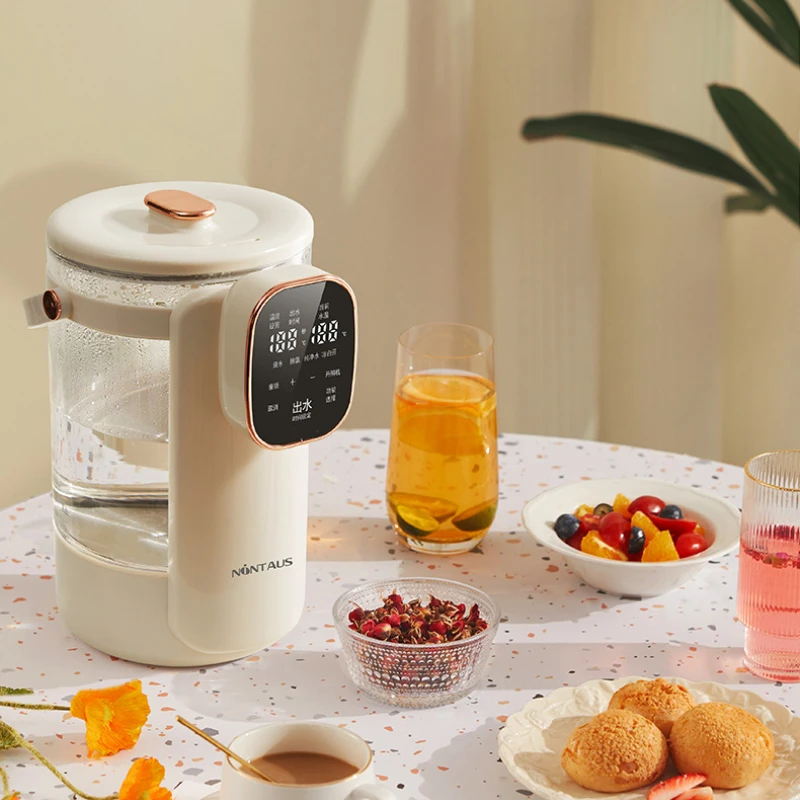
Products like the home thermostatic anti-dry boil kettle are useful examples because safety and control are clearly part of the product setup.
3) Decide if you need temperature control
If you only boil water for instant noodles, fixed boil mode is fine. If you brew green tea, pour-over coffee, or bottle formula at specific heat, temperature settings matter. Check options like this 1.8L kettle with 12 temperature settings for households that want one kettle for multiple routines.
4) Compare heating speed and power draw
Higher wattage usually means faster boil times, but check your outlet limits, especially in older buildings or travel spaces. If your goal is consistent kitchen use, a larger model such as this 1.25L temperature-control coffee kettle can balance speed and control.
5) Check cleaning design
Wide openings and removable strainers make daily use easier. If cleaning is annoying, people stop using the product regularly. Limescale builds fast in hard-water regions, so choose a kettle you can rinse and descale quickly.
6) Think about travel reality, not marketing labels
“Portable” only helps if the kettle actually fits your bag and destination power setup. Check:
- Cord length and packing shape
- Weight when full and empty
- Voltage compatibility for your destination
- Leak resistance in transit
7) Build a practical companion setup
A good kettle setup is easier when your workspace is organized. Small additions like cable management or desk accessories keep your routine clean. You can browse compatible add-ons in GoShopr shop and keep one compact appliance zone instead of cluttering the kitchen.
Common mistakes to avoid
- Buying on capacity alone: a large kettle can be slower and less practical for solo use.
- Ignoring lid design: poor lids cause steam leaks and awkward pouring angles.
- No descaling plan: mineral buildup shortens kettle life and affects taste.
- Overlooking insulation: reheating water repeatedly wastes time and power.
Use-case recommendations
Best for small apartments
Choose 0.5L–1.0L capacity, stainless interior, and simple controls.
Best for tea households
Choose multiple temperature presets and keep-warm function.
Best for office desk setup
Prioritize compact footprint, quick boil, and spill-resistant pour design.
Best for travel and hotels
Choose truly compact body, reliable auto shut-off, and easy packing profile.
Related reading
If you are building a cleaner daily device routine, you may also like our guides on USB-C hub setup for cleaner laptop and phone workflow and smartwatch charging habits for a clean desk setup.
Topic-matched free stock image source
Image source URL: https://commons.wikimedia.org/wiki/Special:FilePath/Electric-kettle.jpg
Suggested alt text: Close-up of a portable electric kettle on a kitchen counter, suitable for travel and daily hot water use.
FAQ
Is a portable kettle safe for everyday use?
Yes, if it has auto shut-off and boil-dry protection and you clean it regularly.
Do I need temperature control for tea?
If you drink green, white, or specialty teas often, temperature control improves flavor consistency.
How often should I descale an electric kettle?
Usually every 2–4 weeks in hard-water areas, less often in soft-water regions.
What capacity is best for one person?
0.5L to 1.0L works well for solo users and helps keep boil times quick.
Can portable kettles be used in hotels abroad?
Only if voltage and plug compatibility match your destination power standard.
What is the best starter product for a compact setup?
For compact use, the 500ml fast electric kettle is a practical first step.