

Most first-time drone owners don’t crash because they are careless. They crash because setup details look small until they stack together: wrong takeoff surface, rushed calibration, overconfident wind judgment, and no battery routine. If you want smoother footage and fewer expensive mistakes, a simple pre-flight system helps more than any flashy feature list.
This guide is for beginners buying or using compact RC drones for outdoor shooting in 2026. It focuses on practical setup, first-flight safety, and battery habits that keep your sessions consistent.
Fast answer:
- Use a repeatable 7-step pre-flight checklist before every launch.
- Start in open space with clear horizon and low wind, not near buildings.
- Cap early sessions at short flights to preserve control quality and battery health.
- Build your kit around visibility, safe transport, and clean charging habits.
1) Pick the right first-flight environment
Your first three flights should happen in a boring location. That is a good thing. Look for an open field with minimal foot traffic, no overhead cables, and enough space to practice slow turns, hover holds, and return paths.
Avoid these for beginner sessions:
- Tight courtyards with wall reflections and GPS inconsistency.
- Beachfront gust zones where wind shifts every few minutes.
- Parking lots with moving cars and visual distractions.
If your model is a compact foldable unit like the KBDFA P1 RC Drone, you still need clear space while learning response behavior.
2) The 7-step pre-flight checklist that prevents most beginner errors
- Frame check: arms locked, props seated, no visible cracks.
- Controller check: sticks center correctly, no drift at rest.
- Battery check: adequate charge for training flight + reserve.
- Signal check: stable app/controller connection before takeoff.
- Compass/GPS check: only take off after stable lock indication.
- Wind check: test with short hover at low altitude first.
- Route check: define a simple practice rectangle, not random movement.
Write this in your notes app and follow it every time. Consistency reduces panic decisions.
3) Battery routine for longer device life and safer sessions
Battery handling has more impact on your drone experience than most specs. New pilots often run packs down too far, then recharge in a rush with poor airflow. That shortens useful performance quickly.
Better routine:
- Stop flights while you still have comfortable return margin.
- Let batteries cool before charging.
- Charge on a stable non-fabric surface with room ventilation.
- Label batteries (A/B/C) and rotate usage evenly.
For cleaner home charging stations, keep cable management tight and away from heat sources. A basic desk organization setup from the computer accessories category helps avoid tangled chargers and accidental unplugging.
4) Beginner camera movement that looks cinematic (without risky flying)
You don’t need aggressive maneuvers for good footage. Early on, focus on three safe shots:
- Slow reveal: rise gently while moving forward a little.
- Side track: low-speed lateral movement with fixed subject.
- Orbit-lite: very wide, slow arc around a stationary subject.
These techniques look polished and are easier to control than high-speed directional changes.
5) Build a practical support kit
A better drone session usually comes from small support tools, not expensive upgrades. Consider a simple field kit:
- Protective carry pouch and microfiber cloth.
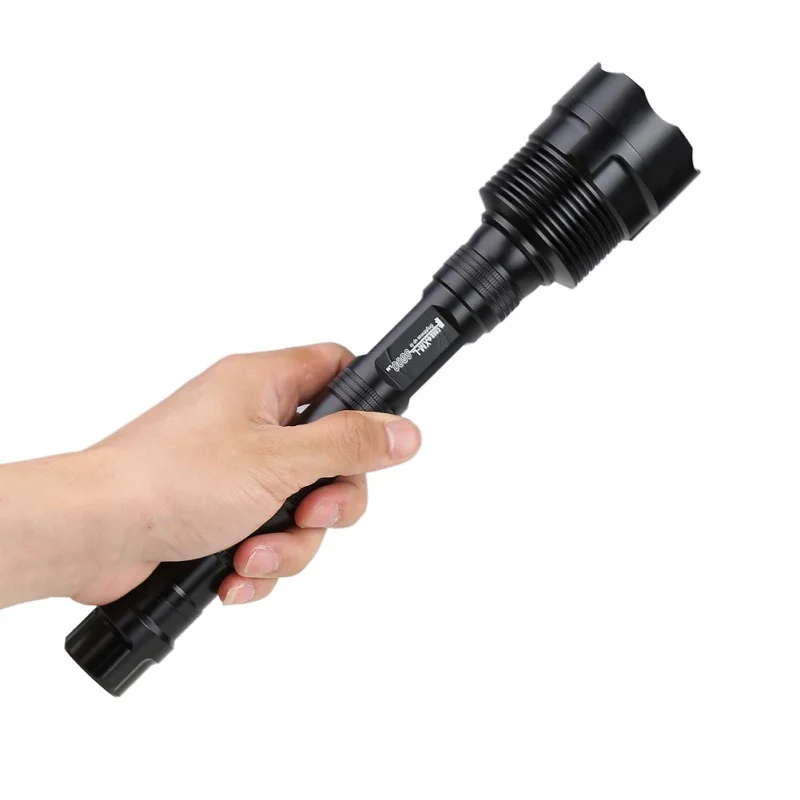
- Compact light source for dusk pack-up (for example, the Anjoet tactical flashlight).
- Weather-aware wearable timer/notifications from an outdoor-ready watch like this sports outdoor smartwatch.
- A stable post-session charging point in your home setup.
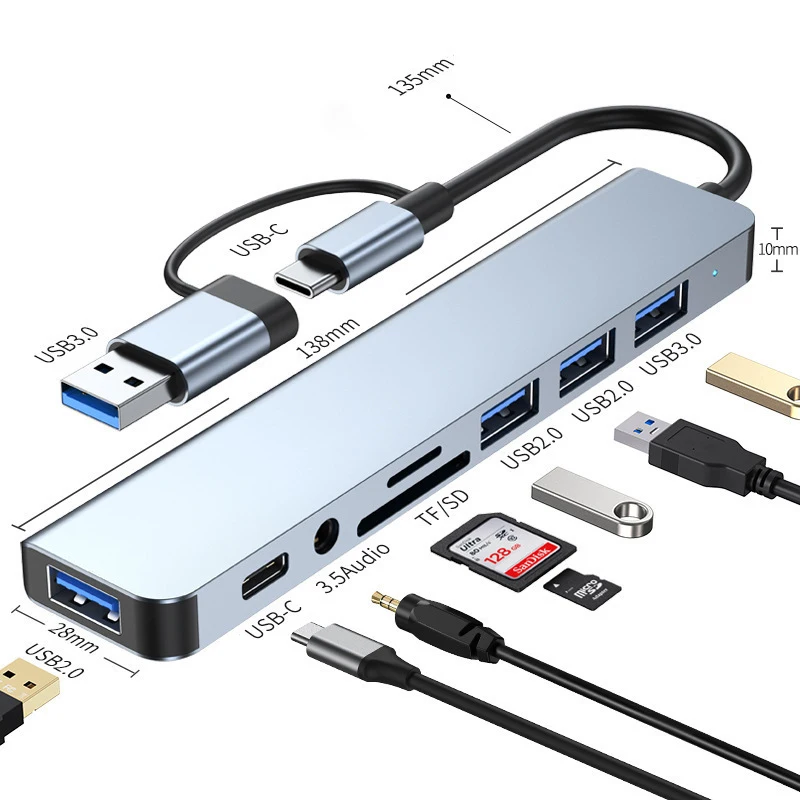
If you are improving your full device workflow, these reads are useful: USB-C Hub Setup Guide 2026 and Wireless Earbuds Buying Guide 2026.
Common first-month mistakes
- Flying too far too early instead of mastering short-range precision.
- Ignoring wind changes after initial calm conditions.
- Skipping post-flight inspection when props touched grass or branches.
- Storing batteries fully drained or fully charged for long periods.
FAQ
How long should a beginner’s first drone flight be?
Keep it short and controlled, focused on hover stability and simple turns. Multiple short sessions teach more than one long stressful flight.
Is obstacle avoidance enough to fly near trees and buildings?
No. It can help, but beginners should still keep generous space margins while learning controls and depth judgment.
What is the safest takeoff surface?
A flat, clean, low-debris surface. Avoid tall grass and loose gravel that can strike props at spin-up.
How many batteries do I need to practice consistently?
At least two is practical for beginners, with cooling time between charge cycles and balanced rotation.
Should I fly in moderate wind if the drone can handle it?
During early learning, choose calmer conditions. Skill development is faster when the aircraft response is predictable.
Final note
A good beginner drone experience comes from repeatable habits. Use a checklist, train in open space, keep battery routines clean, and build a simple support kit. Explore more device gear and daily-use accessories in the GoShopr shop.
Featured image source
Source URL: https://goshopr.com/wp-content/uploads/2025/02/S037cc98f41ad4a7a900748142766b1e75.webp
Alt text: Compact RC drone prepared for first outdoor test flight in an open field.


One thought on “RC Drone Starter Setup 2026: First-Flight Checklist, Battery Routine, and Safer Outdoor Footage”